TMJ Assessments in Brisbane
Brisbane Smile Boutique.
Our TMJ assessment in Brisbane may address pain affecting the temporomandibular joint, the complex hinge connecting your jawbone to your skull, essential for speaking, chewing, and jaw movement. When this joint becomes irritated or misaligned, it can cause pain, tension, or clicking in the jaw, known as TMD or temporomandibular dysfunction.
At Brisbane Smile Boutique, our experienced female dentist offers tailored TMJ assessments, with treatment options that may, include occlusal splint therapy, therapeutic treatment and bite adjustments or realignments, to help relieve discomfort and restore healthy jaw function.
TMJ Pain Assessment.
TMJ pain can be a debilitating condition that affects many people. If you are experiencing TMJ pain, it's important to consult with a qualified and experienced dentist to determine the underlying cause and develop an appropriate treatment plan. With the right care, most people with TMJ pain can find relief and improve their quality of life.
-
Pain or tenderness in the jaw joint
Pain in the neck, shoulders, or ears
Difficulty opening or closing the mouth
Clicking or popping sounds when opening or closing the mouth
Headaches or migraines
-
Applying heat or cold packs to the affected area
Taking over-the-counter pain medications, such as Ibuprofen if not allergic. Check with the pharmacist before taking any medications.
Avoiding hard or chewy foods
Relaxation techniques to reduce stress and tension in the jaw muscles
Occlusal splints or night guards to prevent teeth grinding and clenching
Medical treatments applied to the jaw muscles, in carefully assessed cases
If these treatments do not provide relief, your dentist or doctor may recommend additional treatments, such as physiotherapy. In rare cases, surgery may be necessary to correct the underlying problem.
-
TMJ pain can result from several causes, including:
Teeth grinding or clenching (bruxism)
Jaw or joint trauma
Arthritis affecting the joint
Misaligned bite or teeth
Stress-related jaw muscle tension
TMJ Pain Assessment in Brisbane.
-
At Brisbane Smile Boutique, we offer the Astron-style occlusal splint—a custom-made, hard acrylic night guard designed to relieve jaw tension, protect teeth from grinding (bruxism), and manage TMJ symptoms.
Process:
Dr Leila Haywood will assess your bite and jaw function, take digital scans, and have your splint precision-made for a comfortable fit. It’s typically worn at night to reduce strain on the jaw joint and surrounding muscles.Fee: $950
Item Code: 965This splint is durable, clear, and tailored to your specific bite for optimal therapeutic effect.
-
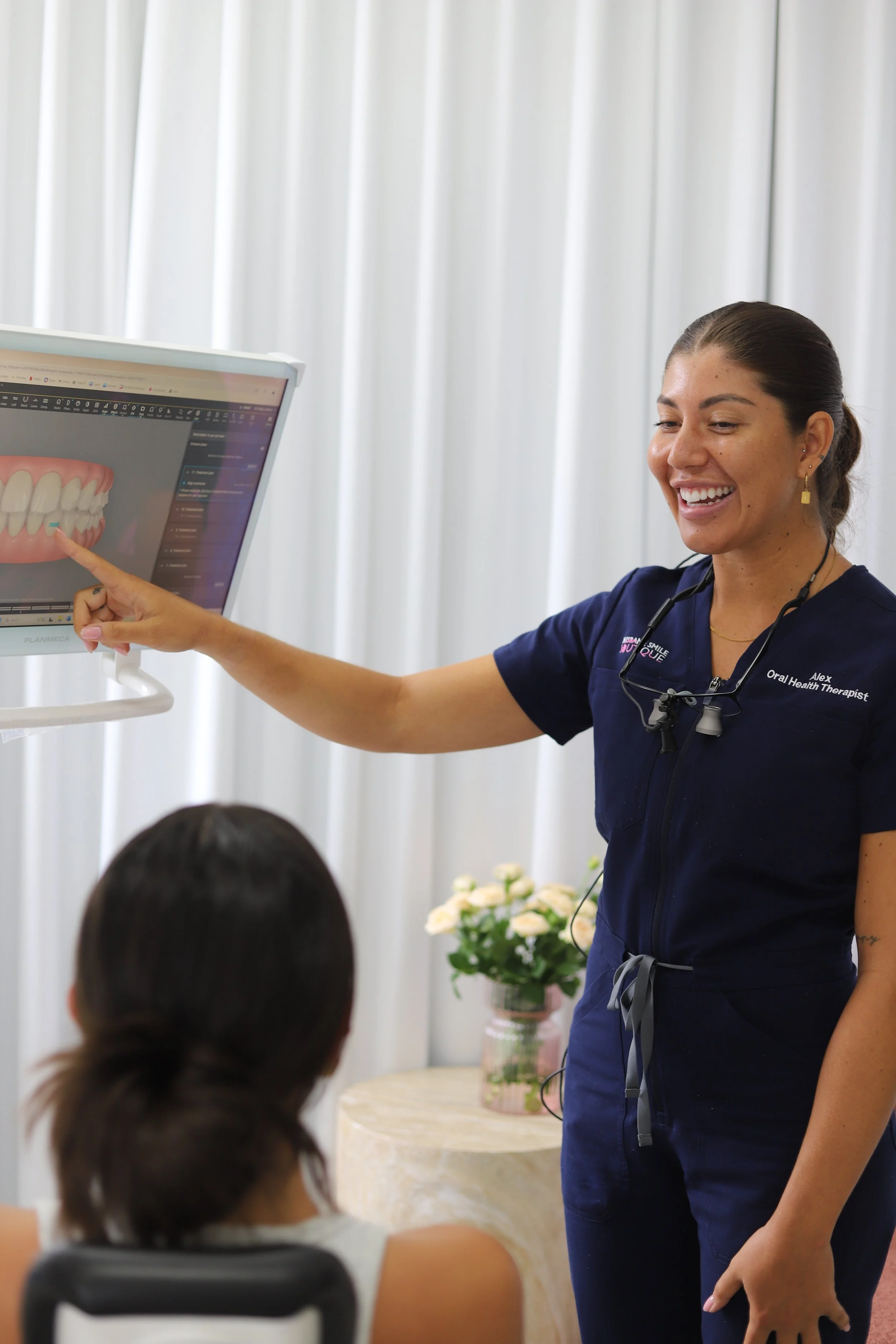
At Brisbane Smile Boutique, our advanced 3D bite analysis uses high-precision scanning technology to map your bite down to micron-level accuracy. This detailed digital assessment allows Dr Leila Haywood to evaluate how your teeth come together and function, which is essential for planning bite rehabilitation, adjustments, or Invisalign® treatment.
Process:
As part of your comprehensive dental check-up, we perform a digital scan of your teeth and jaw alignment. The system captures fine details of your bite in motion and at rest. This data is used to identify imbalances, monitor changes over time through superimposition of scans, and ensure precise, personalised treatment planning.This level of accuracy helps deliver optimal results in functional and aesthetic dentistry, preventing long-term issues caused by an unstable or misaligned bite.
-
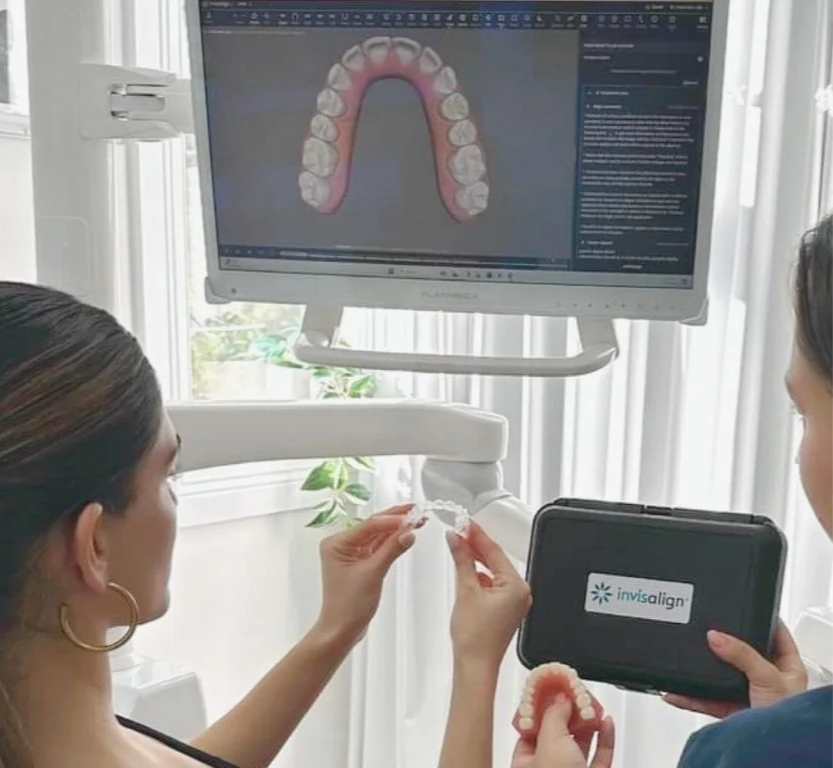
At Brisbane Smile Boutique, Dr Leila Haywood offers Invisalign® treatment to gently and precisely realign your biteusing clear, custom-made aligners. Beyond straightening teeth for aesthetic results, Invisalign can correct functional bite issues such as overbites, underbites, crossbites, and open bites.
What It Is:
Invisalign uses a series of clear aligners that gradually move teeth into better alignment. Unlike traditional braces, Invisalign is discreet, removable, and comfortable—making it ideal for adults seeking bite correction without visible appliances.How It Works:
Through advanced 3D scanning and bite mapping, Dr Haywood identifies areas of imbalance in how your teeth meet. A personalised Invisalign treatment plan is then created to guide your teeth into a more stable, functional bite position. As the bite improves, symptoms such as jaw tension, uneven wear, or TMJ discomfort can also be reduced.Invisalign can be a powerful tool not just for cosmetic improvements, but also for long-term bite health and jaw stability.
-
At Brisbane Smile Boutique, Dr Leila Haywood may offer TGA-approved therapeutic treatments to assist in managing jaw tension, clenching, and TMJ discomfort. These treatments work by helping to reduce overactivity in the jaw muscles, allowing relief from symptoms such as tightness, pain, headaches, and enamel wear.
About the Treatment
Under AHPRA guidelines, these therapies must be provided within a comprehensive clinical consultation. Dr Leila is qualified to assess suitability and deliver this treatment as part of a holistic dental approach. We do not provide quotes over the phone, in accordance with professional regulations.Treatment Process & Duration
The process begins with a full dental and functional assessment to ensure the treatment is appropriate and integrated into your overall oral health plan. The effects typically begin within 3–10 days and may last 3 to 6 months, depending on the individual’s muscle activity and lifestyle factors.Who Is Suitable
This therapy may benefit those who suffer from:Night-time clenching or bruxism
TMJ pain or jaw fatigue
Headaches related to muscle tension
Excessive wear on teeth from grinding
Who May Not Be Suitable
It is not appropriate for individuals who:Are pregnant or breastfeeding
Have certain neuromuscular, psychological or systemic conditions
Have known allergies or contraindications to TGA-approved substances used in the treatment
Your safety and long-term health are our priority. Dr Leila will always assess your full dental and medical history before recommending any dental treatments.
If you experience chronic jaw tension or bite-related discomfort, we invite you to book a consultation for a personalised assessment.
At Brisbane Smile Boutique, we offer custom made occlusal splints using advanced 3D intraoral scanning technology.
Occlusal splints are designed to try to protect your teeth and jaw from the effects of teeth grinding (bruxism), clenching, and temporomandibular joint (TMJ) disorders
- With a flexible but shock absorbing specialist material, designed to be comfortable & absorb the forces from your bite while protecting your teeth & jaw joint from wear, while releasing tension held in your jaw muscles.
Occlusal Splint Therapy
Brisbane Smile Boutique.
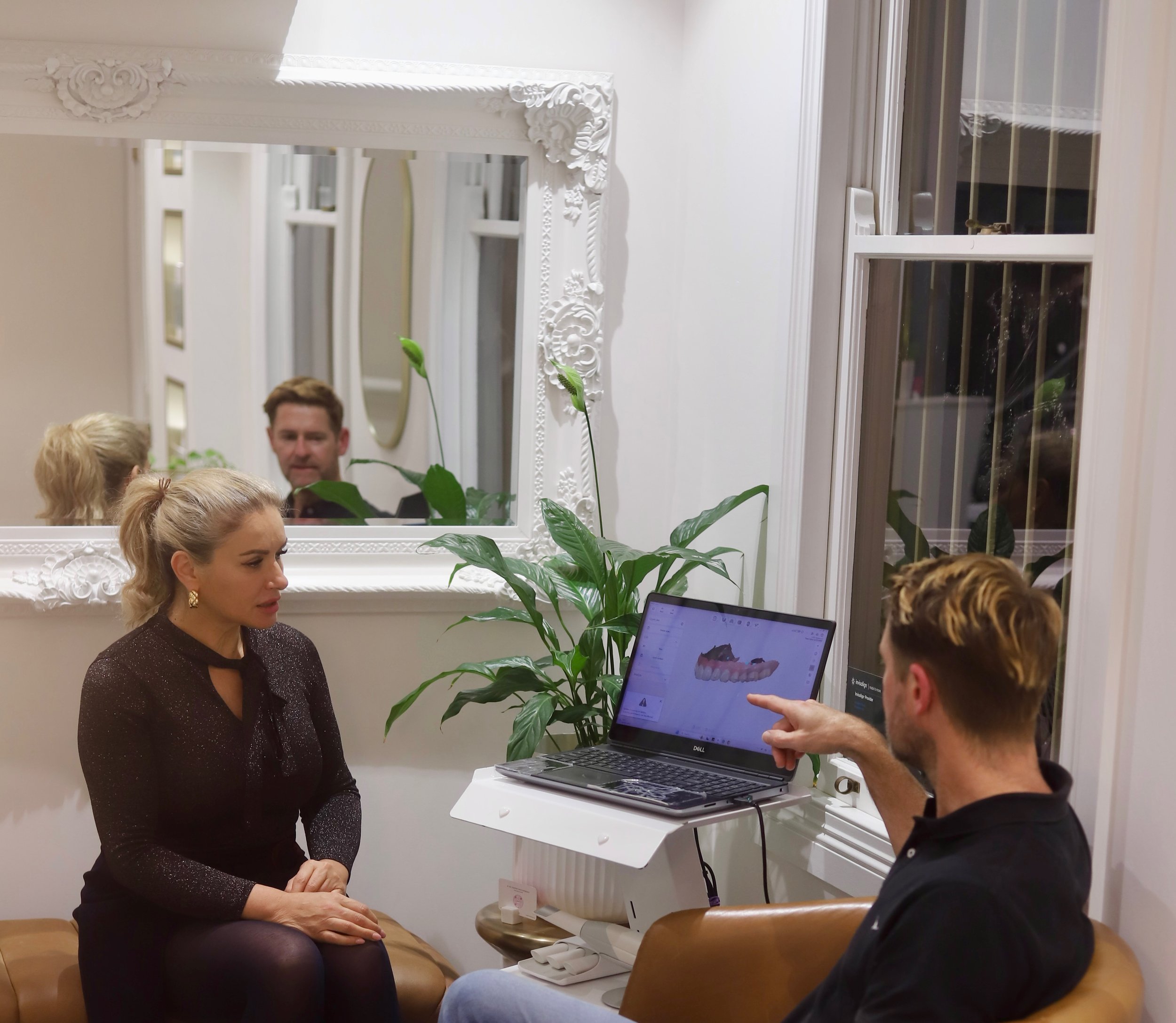
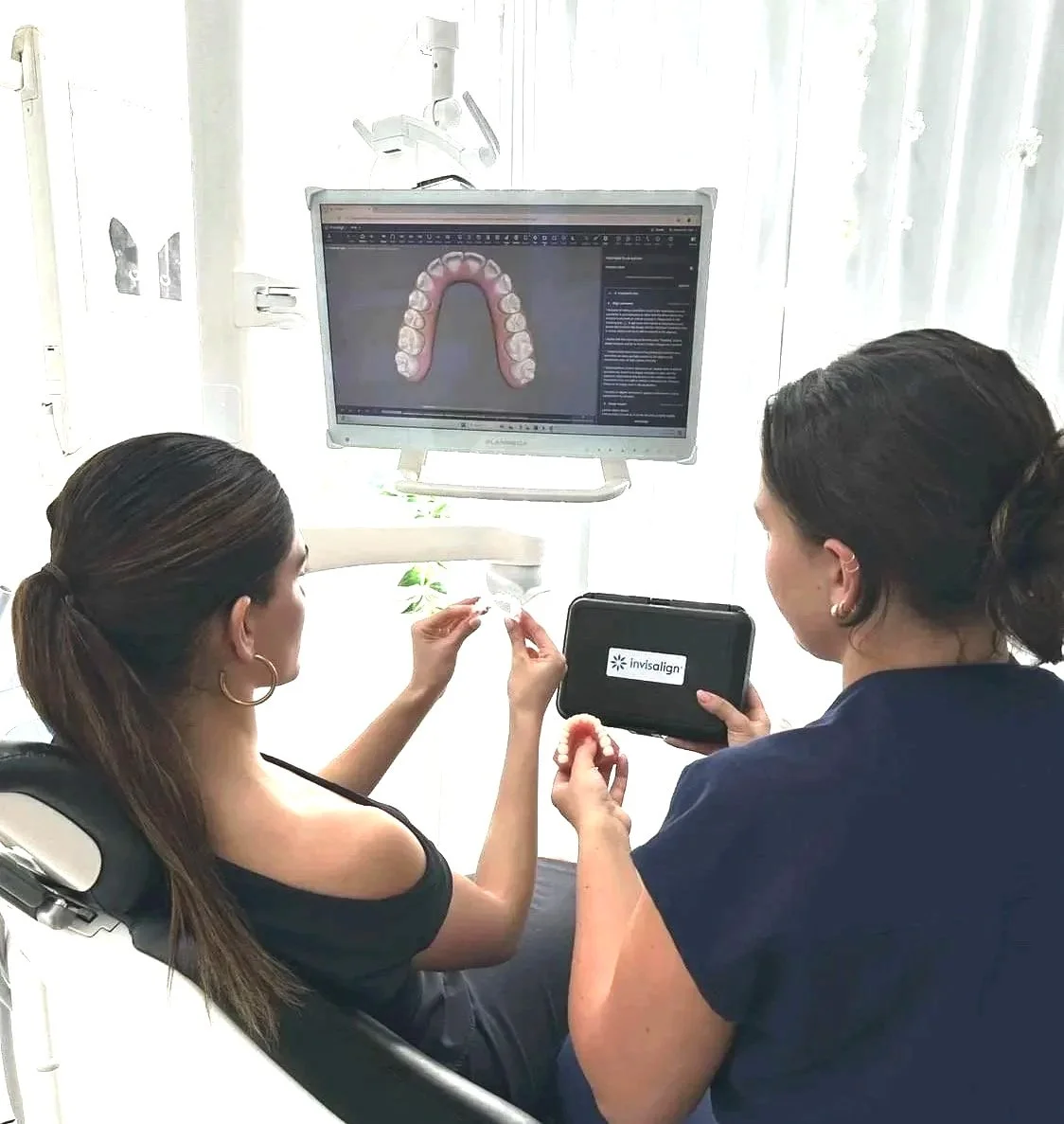
At Brisbane Smile Boutique, Dr Leila Haywood offers Invisalign® treatment to gently and precisely realign your bite using clear, custom made aligners. Beyond straightening teeth for aesthetic results, Invisalign can correct functional bite issues such as overbites, underbites, crossbites, and open bites, which may contribute to jaw misalignment.
Invisalign uses a series of clear aligners that gradually move your teeth into better alignment. Unlike traditional braces, Invisalign is almost invisible, removable, and comfortable
—Making it ideal for adults seeking bite correction without visible appliances.
Through advanced 3D scanning and bite mapping, Dr Leila identifies areas of imbalance in how your teeth meet. A personalised Invisalign treatment plan is then created to guide your teeth into a more stable, functional bite position. As the bite improves, symptoms such as jaw tension, uneven wear, or TMJ discomfort may also be reduced.
Invisalign may be a powerful tool not just for cosmetic improvements, but also for long term bite health and jaw stability.
Bite Analysis at Brisbane Smile Boutique.
It may be the case that teeth or a bite are not aligned correctly, with asymmetry or misplaced teeth, which are causing uneven wear of the teeth, and an incorrect bite pattern may lead to jaw pain.
Invisalign is an almost invisible technology which allows gentle straightening of misplaced teeth and corrects all kinds of bite issues.
Invisalign for Bite Realignment.
FAQs about Therapeutic Jaw Pain Solutions.
-
Clenching and bruxism (teeth grinding) can cause a variety of signs and symptoms. Here’s a breakdown of the most common indicators:
Worn Teeth – Flattened, chipped, or cracked teeth.
Tooth Sensitivity – Due to enamel wear or exposure of dentin.
Loose Teeth – Grinding can loosen teeth over time.
Damaged Fillings or Crowns – Repeated pressure may break restorations.
Indentations on the Tongue or Inside of Cheeks – From biting during clenching
Jaw Pain or Tightness – Especially in the morning or after stress.
Clicking or Popping in the Jaw (TMJ sounds) – May indicate joint strain.
Difficulty Opening Mouth Fully – Tight or sore muscles.
Muscle Fatigue in the Face or Jaw – Especially after waking up
Headaches – Often tension-type, especially around the temples.
Earaches or a Feeling of Fullness in the Ear – Not from ear infections, but referred pain from the jaw.
Neck and Shoulder Pain – From extended tension in facial muscles.
Disrupted Sleep – You or a partner may notice grinding noises.
Tiredness in the Morning – From poor-quality sleep or nocturnal muscle strain.
Partner Notices Grinding Sounds – Often one of the first signs of night bruxism If you're experiencing any of these signs, our teeth grinding treatment in Brisbane can help identify the cause and recommend the right solution.
-
A dental splint (also called an occlusal splint, nightguard, or bite guard) can help with jaw tension and bruxism in several effective ways:
1. Reduces Muscle Overuse
What it does: Provides a physical barrier between the teeth, preventing full-force clenching or grinding.
How it helps: Less muscle strain means less tension and fewer headaches or sore jaw muscles.
2. Repositions the Jaw
What it does: Some splints slightly reposition your jaw into a more relaxed or neutral position.
How it helps: Reduces stress on the temporomandibular joint (TMJ) and associated muscles.
3. Prevents Tooth Contact
What it does: Keeps the upper and lower teeth from touching directly.
How it helps: Stops the feedback loop of muscle engagement and tooth grinding that leads to tension.
4. Protects Teeth and Dental Work
What it does: Cushions your teeth against grinding forces.
How it helps: Prevents wear, chipping, and damage that can contribute to discomfort or further muscle guarding.
5. Improves Sleep Quality
What it does: Minimizes nighttime grinding noises and associated arousals.
How it helps: Better sleep = better muscle recovery and less tension buildup overnight.
6. Biofeedback (Behavioral Cue)
What it does: Makes you more aware of clenching habits.
How it helps: Some people subconsciously stop daytime clenching after using a splint regularly.
-
Treatment with Prior Orthodontics
Splints and Nightguards:
You can still get a custom made splint or nightguard even if you’ve worn braces before. The dentist will take impressions of your current bite, regardless of orthodontic history.Jaw Muscle Therapy & TMJ Treatment:
Orthodontics doesn’t rule out physical therapy, exercises, or other treatments for jaw muscle tension or TMJ disorders.Bite Adjustment or Orthodontic Refinement:
Sometimes, jaw tension or bruxism symptoms relate to bite issues that might have changed over time since orthodontics. Your dentist or orthodontist might recommend small bite adjustments or even a short course of orthodontic refinement if needed.Retention:
If you’re wearing retainers, it’s important to tell your dentist because the splint needs to fit well alongside any retainers or other orthodontic appliances.
Why Orthodontic History Matters
Your bite and jaw alignment may have changed since treatment.
Teeth may have shifted slightly, affecting how your splint fits.
A professional evaluation ensures the treatment plan fits your current dental status.
-
Yes possibly, treatments for jaw tension and bruxism—like wearing a custom splint—can often help reduce headaches and neck tension, especially when those symptoms are related to muscle strain from clenching or grinding.
1. Muscle Relaxation
The splint reduces the force of clenching and grinding, which means your jaw muscles don’t have to work as hard.
Less muscle overuse = less muscle fatigue and fewer tension headaches.
2. Improved Jaw Alignment
By positioning the jaw in a more relaxed, balanced way, splints can ease strain on the temporomandibular joint (TMJ).
This can prevent the chain reaction of muscle tightness that often spreads to the neck and shoulders.
3. Reduced Nerve Irritation
Chronic jaw tension can irritate nerves in the head and neck region, contributing to headaches.
Treating bruxism can reduce this irritation.
4. Better Sleep Quality
If nighttime grinding disrupts your sleep, improving it can reduce overall muscle tension and fatigue, which often shows up as headaches or neck pain during the day.
What about neck tension specifically?
Jaw muscle tension often links directly to neck muscle tightness because they share many interconnected muscles and nerves. So, reducing jaw tension may help relieve neck stiffness and pain as well.
-
Facial pain related to the jaw can have several causes, often connected to problems with the jaw joint, muscles, nerves, or teeth. Here’s a rundown of common causes:
1. Temporomandibular Joint Disorders (TMD/TMJ)
Inflammation, injury, or misalignment of the jaw joint can cause pain.
Symptoms: Jaw clicking, popping, limited movement, aching around the ears and temples.
2. Muscle Strain or Spasm
Overuse of the jaw muscles from clenching, grinding (bruxism), or chewing gum can cause muscle fatigue and pain.
Can also be linked to stress or poor posture.
3. Dental Problems
Tooth infections, cavities, abscesses, or impacted wisdom teeth.
Pain can radiate from teeth to the jaw and face.
4. Nerve-related Pain
Trigeminal neuralgia: a condition causing sharp, shooting facial pain along the trigeminal nerve.
Nerve irritation from jaw injuries or inflammation.
5. Arthritis
Osteoarthritis or rheumatoid arthritis can affect the TMJ, causing chronic pain and stiffness.
6. Trauma or Injury
Direct injury to the jaw, face, or head can cause pain and inflammation.
7. Sinus Issues
Sinus infections or inflammation can cause pressure and pain around the upper jaw and cheeks, sometimes mistaken for jaw pain.
When to see a professional:
Persistent or severe facial/jaw pain.
Pain that worsens with jaw movement.
Associated symptoms like jaw locking, swelling, fever, or numbness.
-
Generally, therapy for jaw tension and related issues is not painful, but how it feels can depend on the type of treatment and your individual situation. Your dentist can talk you through what to expect based on your specific needs
Here’s what to expect from common therapies:
1. Splints/Nightguards
Wearing a splint is usually comfortable after an adjustment period.
Some mild soreness or awareness in the jaw may occur at first but typically goes away as you get used to it.
2. Physical Therapy or Jaw Exercises
Exercises might cause some mild stretching discomfort, especially if muscles are tight.
It shouldn’t be painful; if it hurts, you should stop and consult your therapist.
3. Massage or Manual Therapy
Gentle massage may feel tender at first if muscles are tight but should not be painful.
The goal is to relax muscles, not cause pain.
4. Medications (if prescribed)
Usually no pain from taking medication itself.
Some treatments might include muscle relaxants or anti-inflammatories to reduce pain.
5. Trigger Point Therapy or Dry Needling
May cause brief discomfort but generally well tolerated.
Used for relieving muscle knots and tension.
-
Whether you need X-rays or scans before starting therapy for jaw tension or bruxism depends on your symptoms and the dentist’s or specialist’s assessment.
When imaging might be needed:
To assess the teeth and bite
X-rays help check for tooth damage, cavities, or problems with dental restorations that might contribute to jaw pain or grinding.
To evaluate the jaw joint (TMJ)
If there’s jaw clicking, locking, or suspected joint damage, your doctor might order a panoramic X-ray, CBCT (cone beam CT scan), or MRI to get detailed images of the joint and soft tissues.
To rule out other issues
If facial pain or jaw problems might be related to infection, tumors, or other structural abnormalities.
When you might not need imaging:
If symptoms are mild and clearly related to muscle tension or routine bruxism.
If your dentist can diagnose and start treatment based on your clinical exam and history.
-
Whether you’ll need restorative treatment (like fillings, crowns, or dental bonding) depends on the current condition of your teeth and how much damage bruxism or clenching has caused.
When restorative treatment might be needed:
Worn or damaged teeth:
If grinding has caused significant enamel wear, cracks, or chips, restorations may be needed to protect the teeth and restore function.Broken or loose fillings/crowns:
Bruxism can damage existing dental work, requiring repair or replacement.Tooth sensitivity or pain:
If enamel is worn down exposing dentin, restorations can help reduce sensitivity and prevent further damage.Tooth fractures:
More severe grinding can cause cracks that need to be fixed to prevent tooth loss.
When restorative treatment may NOT be needed:
If your teeth show minimal wear or damage.
If the primary issue is muscle tension or jaw pain without dental problems.
Important:
Restorative treatment is often combined with therapies like splints and behavior modification to prevent further damage.
-
The time it takes to notice improvement from treatment for jaw tension or bruxism can vary based on the severity of your symptoms and the type of therapy used, but here’s a general idea:
When you might start to feel better:
Splints/Nightguards
Many people notice reduced jaw muscle soreness and less grinding within 1–2 weeks of consistent use.
Full relief of jaw tension or headaches may take 4–6 weeks or longer.
Physical Therapy / Jaw Exercises
Some relief can happen within days to a couple of weeks, especially with regular exercises.
For chronic tension, it may take several weeks to a few months for significant improvement.
Stress Management or Behavioral Changes
Results depend on how quickly you can modify habits or reduce stress.
This can take weeks to months and is often ongoing.
Medications
Muscle relaxants or anti-inflammatories can provide relief within days, but they’re usually short-term aids.
Important to Remember:
Improvement is often gradual.
Consistency with therapy (wearing splint) is key.
Follow up with your healthcare provider helps adjust treatment for best results.
Arthritic or degenerative joint issues, or trauma to the jaw or jaw joint may require specialist referral
Discuss your TMJ issues with our team.
If you're interested in exploring options for TMJ pain, complete the form with a few details about your goals. We'll review your message and get back to you within 48 hours.
Book Your Appointment
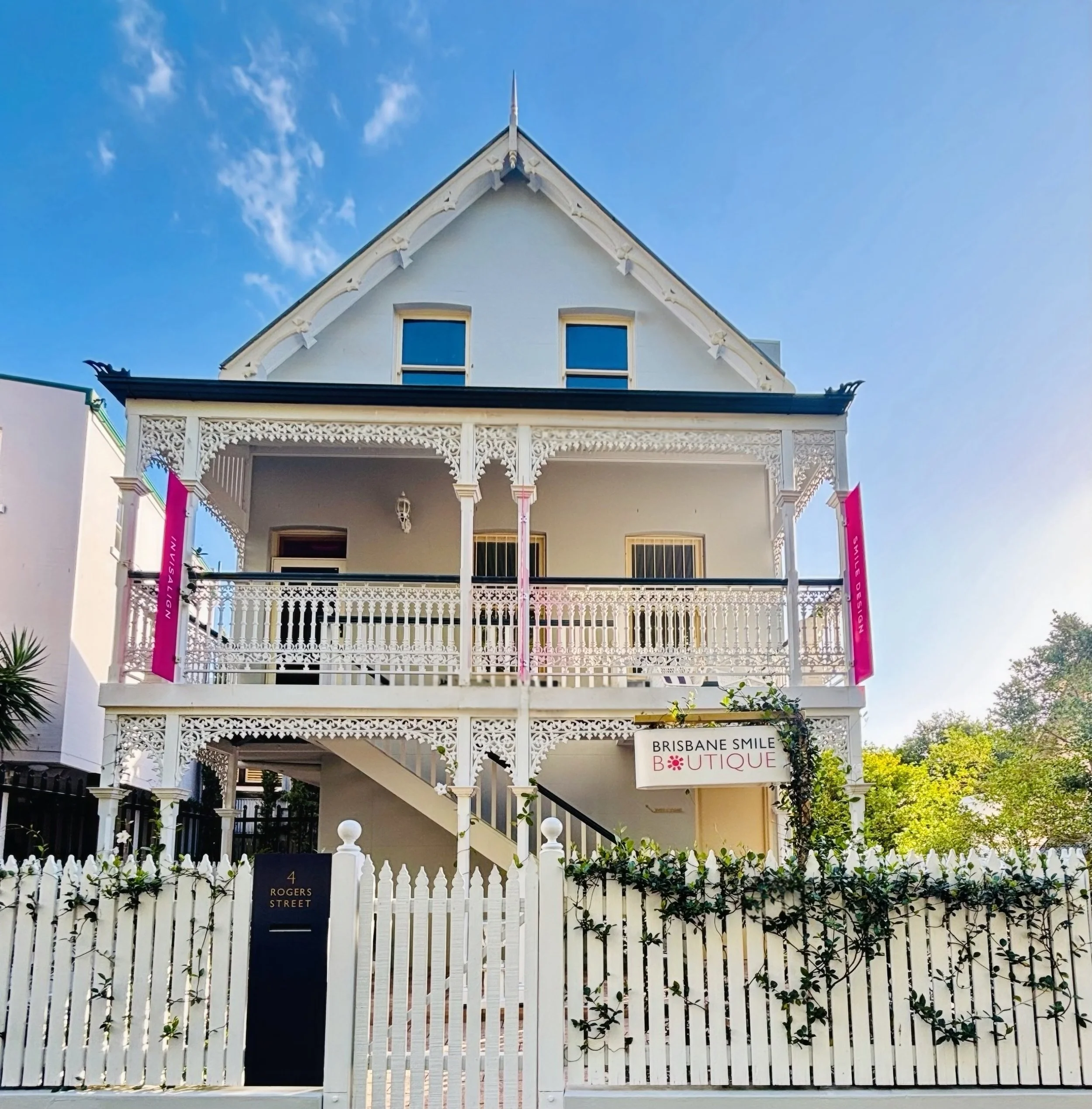
A day at Brisbane Smile Boutique
Shaped by vision, established for over 20 years, driven by results. Welcome to a space designed for smile ideas & goals with experienced & caring female dentists. trained in neuromuscular dentistry. With a focus on quality, clarity, and connections, we're here to help maintain a smile you are comfortable with.